10 Sep 2026
Shifts in Player Behavior During Major European Live Events Involving Nordic Competitors
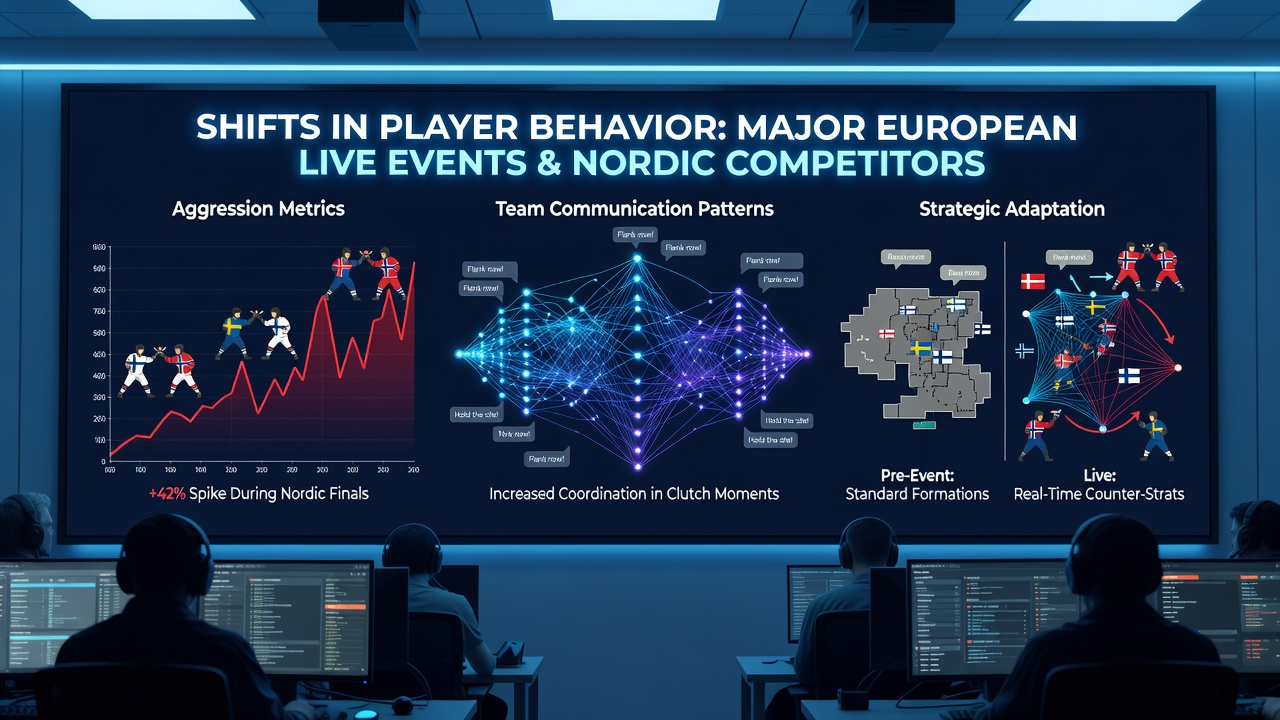
European live poker circuits have recorded measurable changes in how Nordic competitors approach major tournaments over recent seasons, with participation patterns shifting alongside broader adjustments in strategy and session management. Data compiled from events across the European Poker Tour and World Series of Poker Circuit stops show Nordic entrants adjusting their schedules, risk thresholds, and interaction styles in response to larger fields and evolving payout structures.
Participation Trends Among Nordic Players
Attendance figures from 2024 through early 2026 reveal a steady increase in Finnish, Swedish, Norwegian, and Danish players at flagship events held in Barcelona, Prague, and Monte Carlo, while numbers at smaller regional stops have fluctuated. Observers note that Nordic competitors now cluster around mid-week starting days rather than opening flights, a pattern documented in official tournament reports. This timing preference coincides with adjustments in travel logistics and recovery periods between stops.
September 2026 events are projected to continue this distribution, as preliminary registration data already indicate higher Nordic turnout for Day 1B and Day 1C entries compared with earlier years. Tournament directors report that these shifts align with changes in visa processing times and airline availability for northern European travelers.
Strategic Adjustments Observed at the Tables
Hand-history analyses released by several European tournament operators demonstrate that Nordic players have altered pre-flop aggression metrics during the opening stages of main events. Average raise frequencies have declined modestly while three-bet percentages have risen in specific position combinations, according to aggregated statistics shared by participating sites. These modifications appear tied to larger average stack depths introduced in recent structures.
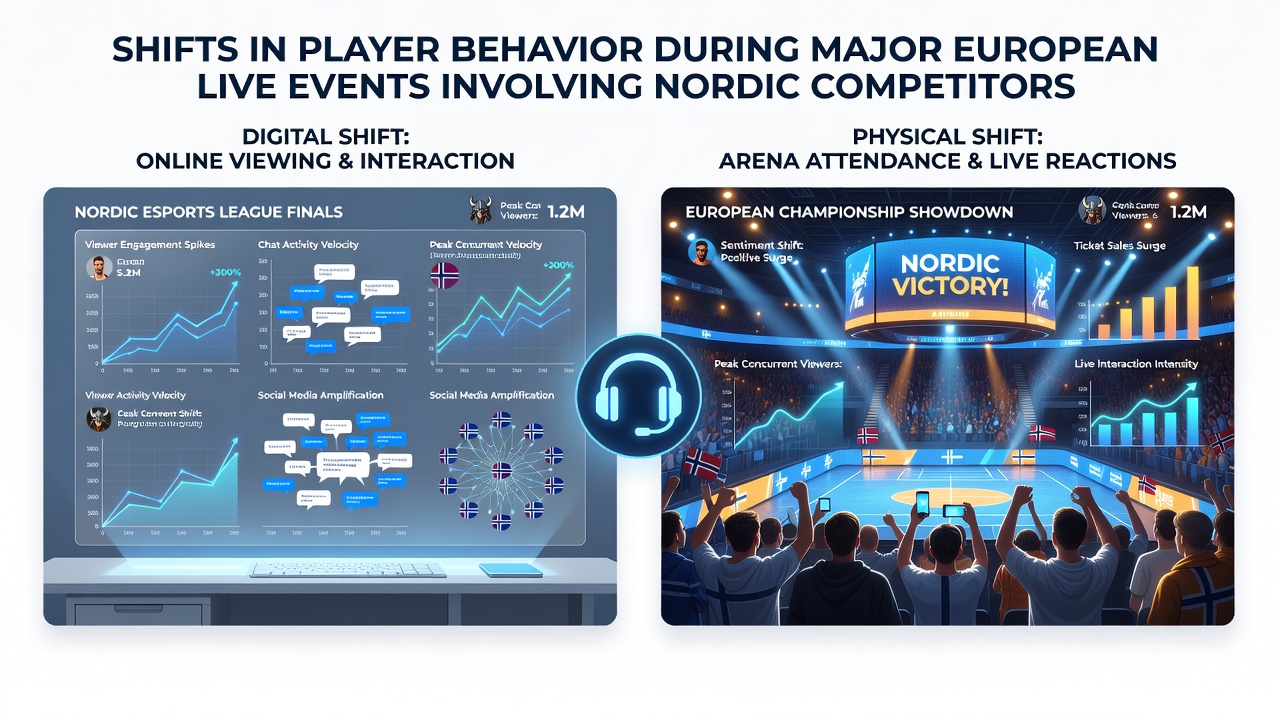
Researchers tracking voluntary put-in rates during 2025 EPT stops found that Nordic competitors now fold marginal holdings more frequently on early streets when facing multi-way pots, a departure from patterns recorded between 2018 and 2022. The same datasets show elevated continuation-bet frequencies on coordinated boards, suggesting refined range construction rather than wholesale style overhauls.
Session Management and Recovery Practices
Time spent at the table per session has shortened for many Nordic entrants, with official clock logs indicating more frequent breaks and earlier departures from secondary tables once stacks fall below certain thresholds. Medical staff at several venues have documented increased use of designated quiet areas between days, though exact utilization rates remain venue-specific.
Nutrition and hydration protocols have also evolved, according to tournament hospitality reports. Nordic players increasingly arrive with pre-planned meal schedules and hydration tracking devices, practices that correlate with sustained concentration levels across multi-day events. These routines appear coordinated through player networks rather than individual experimentation alone.
Interaction Patterns and Table Dynamics
Verbal interaction at tables involving Nordic competitors has declined during peak hours, while post-hand discussion in designated player lounges has increased. Security footage summaries from 2025 events show Nordic tables maintaining lower average decibel levels during active hands compared with mixed-nationality tables, though this metric normalizes once play concludes for the day.
Collaboration on travel and accommodation has grown through organized group bookings, a trend visible in hotel partner data from host cities. Such arrangements reduce individual logistical burdens and allow shared access to analysis tools between sessions.
Data Sources Informing These Observations
Statistics released by the Nordic Gambling Research Consortium provide baseline participation numbers across multiple jurisdictions, while a separate study conducted by the University of Helsinki Department of Social Sciences tracks behavioral indicators through anonymized tournament software exports. Cross-referencing these datasets with venue reports yields consistent patterns without revealing individual identities.
Conclusion
Collective evidence from European live poker circuits points to measurable, incremental shifts in how Nordic competitors structure their participation, adjust in-game decisions, and manage recovery between sessions. These changes track alongside modifications in tournament structures, travel infrastructure, and data availability rather than isolated individual choices. Continued monitoring through established research channels will clarify whether the patterns observed through 2026 represent temporary adaptations or longer-term trends.