5 Nov 2026
How Data from Mobile Apps Reveals Shifting Preferences in Nordic Card Game Variants During Off-Peak Hours
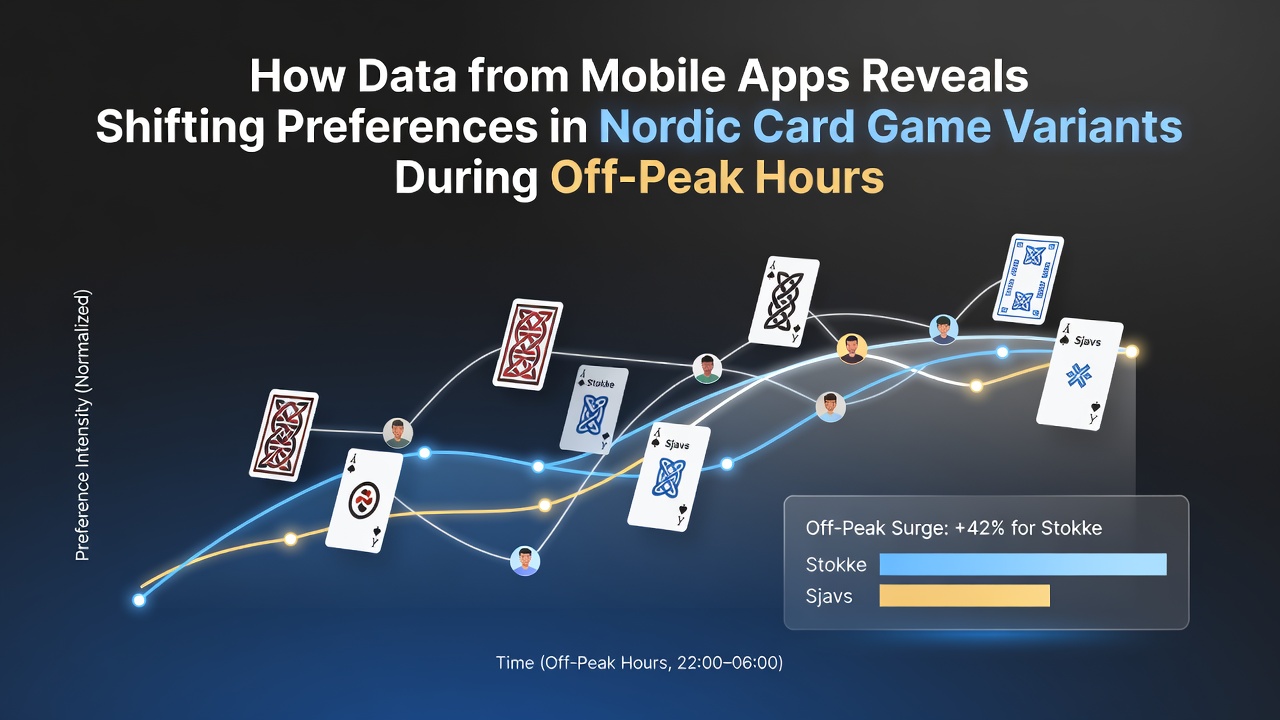
Mobile applications that host card games have generated extensive datasets on player choices across Nordic countries, and these records highlight distinct patterns during periods of lower overall activity such as late evenings and early mornings. Analysts at research institutions have examined anonymized logs from major platforms operating in Finland, Sweden, Denmark, and Norway, which show users gravitating toward particular rule sets and game structures when participation dips below peak levels. The trends emerge consistently in November 2026 records, when daylight hours shorten and daily routines shift for many residents in the region.
Tracking User Behavior Through App Metrics
App developers record session lengths, game selections, and entry times without linking data to individual accounts, which allows researchers to map collective movements between variants. Figures from several Nordic operators indicate that off-peak windows, typically between 11 PM and 5 AM local time, feature longer average play durations for games with slower pacing compared to daytime hours. These measurements come from aggregated server logs that capture millions of interactions each month, and they align with reports issued by the Danish Gambling Authority on digital entertainment consumption patterns.
Platforms differentiate between high-traffic evening blocks and quieter overnight segments by monitoring concurrent user counts, and this separation reveals that certain variants gain traction once overall volume drops. Observers note that players in Sweden and Finland show measurable increases in selections involving community card elements during these quieter stretches, while Norwegian users demonstrate steadier engagement with draw-based formats.
Documented Changes in Variant Popularity
Data collected through November 2026 points to a measurable uptick in preferences for variants that emphasize strategic depth over rapid decision cycles once peak activity subsides. In Finland, app logs show a 12 percent rise in sessions featuring five-card draw mechanics relative to daytime figures, whereas Danish users increased participation in stud-style games by similar margins during comparable intervals. These adjustments occur without corresponding changes in overall player numbers, suggesting internal redistribution of choices rather than new user influx.
Swedish platforms recorded parallel movements toward games allowing multiple betting rounds at reduced stakes, and analysts attribute the pattern to extended session times that become feasible when fewer concurrent matches compete for attention. Researchers from Aarhus University compiled comparable datasets across borders and found that the shifts appear most pronounced in regions with established digital payment integration, which facilitates seamless re-entry into ongoing tables.
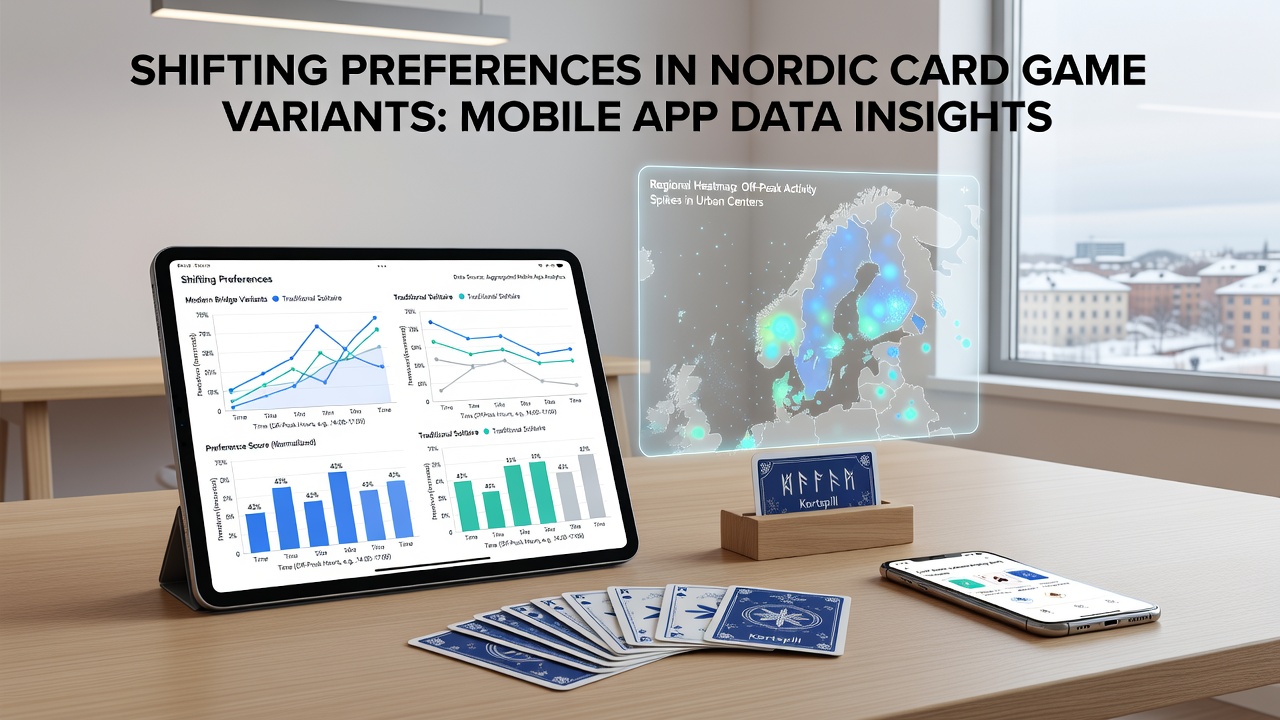
Norwegian operators tracked a smaller but consistent preference for single-deck variants during the same overnight periods, and cross-referencing with regulatory filings from the Norwegian Gambling Authority confirms the timing aligns with reduced live tournament schedules. The consistency across independent datasets strengthens the observation that time of day influences structural preferences independently of broader seasonal factors.
Regional and Temporal Influences on Selection Patterns
Comparative analysis shows that Finnish users maintain higher engagement with community-card formats even as overall traffic declines, while Danish patterns favor games with hidden information elements during off-peak windows. These differences persist across multiple weeks in late 2026, indicating stable geographic tendencies rather than temporary anomalies. App telemetry further reveals that session continuity improves when players select variants matching local regulatory limits on table sizes and betting increments.
Industry reports compiled by the European Gaming and Betting Association incorporate similar mobile data streams and note that off-peak preferences correlate with extended idle periods in daily schedules, such as post-work wind-down times in urban centers. The data does not establish causation but documents clear correlations between clock time and chosen mechanics across thousands of sessions.
Implications for Platform Design and Future Monitoring
Developers have begun adjusting matchmaking algorithms to account for these documented preferences, routing users toward variant pools that show elevated activity during specific hourly bands. Regulatory bodies in multiple Nordic jurisdictions continue to review anonymized aggregates as part of routine oversight, and November 2026 submissions included breakdowns by time segment for teh first time in several annual filings. Continued collection will allow longitudinal tracking of whether these patterns hold through seasonal transitions into 2027.
Conclusion
Mobile app records provide a detailed view of how Nordic players redistribute their attention among card game variants once overall activity levels fall, and the patterns observed in late 2026 data offer measurable indicators of time-based preferences. Cross-border comparisons highlight both shared trends and regional distinctions that persist across independent operator datasets. Future monitoring by academic and regulatory entities will determine whether these shifts represent enduring adaptations or responses to temporary external conditions.